
Featured Articles
2026-01-08
AMR Expanding into New Application Areas, Driven by Advancements in Hydrogen Energy
AMR Expanding into New Application Areas, Driven by Advancements in Hydrogen Energy

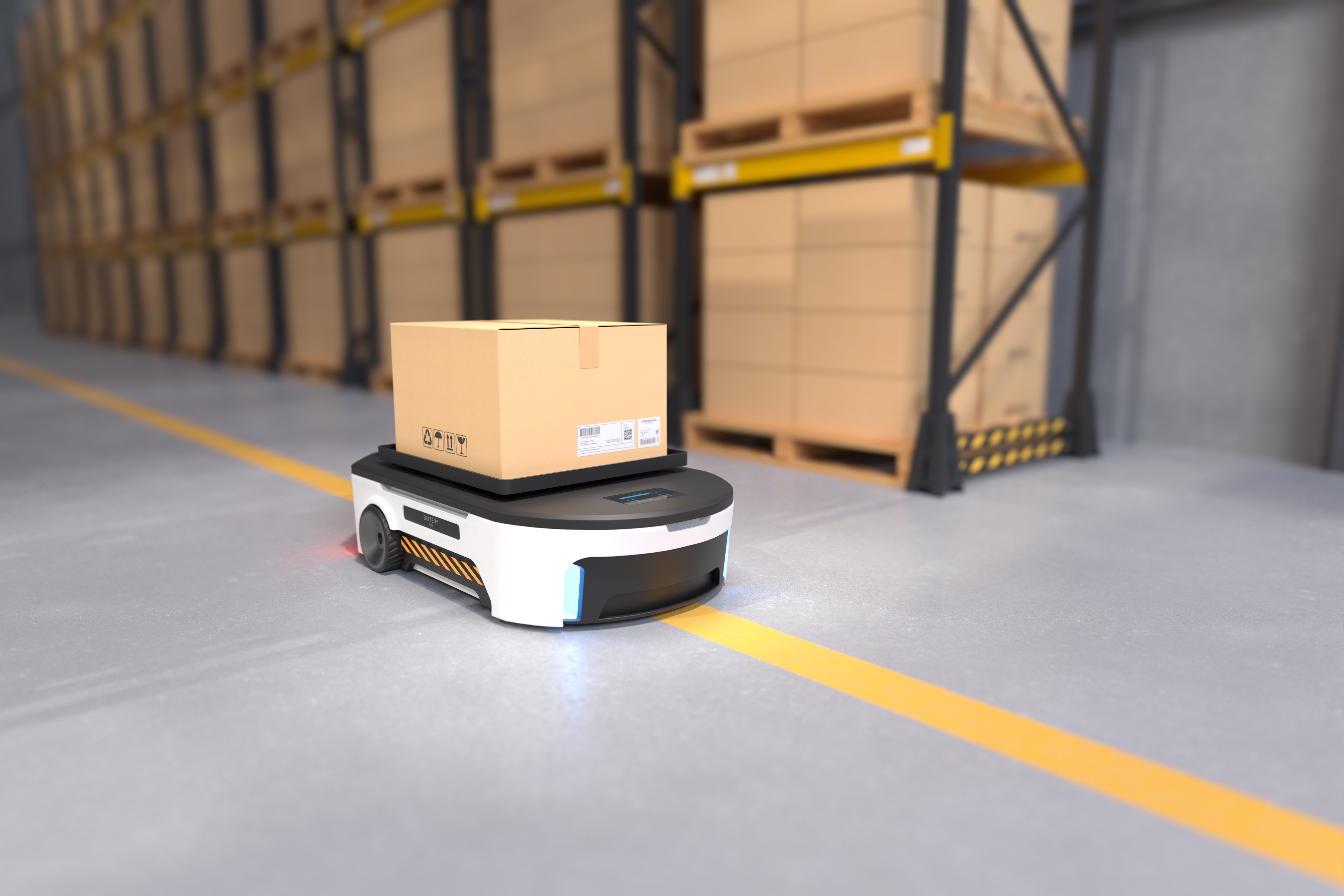
The primary distinction between AMRs ( Autonomous Mobile Robots)and Automated Guided Vehicles (AGVs) lies in their navigation methods and operational flexibility. AGVs rely on magnetic strips or tracks for guidance, following fixed paths and stopping when obstacles are detected. In contrast, AMRs represent an advanced evolution of AGVs, equipped with intelligent sensing and autonomous planning capabilities that enable real-time obstacle avoidance and dynamic path recalculation, making them well-suited for complex environments.
Since AGVs are transitioning to hydrogen energy, AMRs are naturally following suit. For example, Guidance Automation in the UK completed testing of its iNcaart series of AMRs equipped with hydrogen fuel cells manufactured by Intelligent Energy in December 2023. Previously, iNcaart AMRs were powered by lithium batteries. Following the successful hydrogen fuel cell tests, iNcaart will offer hydrogen fuel cell or hydrogen-lithium hybrid options in addition to its existing lithium battery-powered models.
Kubota of Japan unveiled the world's first hydrogen fuel cell agricultural machine with autonomous driving capabilities, a concept model of an unmanned tractor, at the 2025 Kansai Expo in Osaka, marking a revolutionary milestone in the company's 100-year history. Without a driver's seat, AI-powered cameras automatically scan the surrounding environment and navigate the machine, enabling farmers to cultivate land remotely from home. While automatic straight-line driving using GPS is already common, the integration of LiDAR, cameras, and AI vision technology allows the tractor to avoid obstacles and distinguish between crops and weeds. A fully fueled hydrogen vehicle can operate for approximately half a day. Rural aging and labor shortages are global challenges, and in response to the global warming crisis, hydrogen-powered AMRs offer solutions to these issues simultaneously. Moreover, agricultural machinery requires long-term, high-load operation and urgently needs a stable energy supply with high output power, making a direct transition from fossil fuels to hydrogen energy feasible, bypassing lithium batteries. Although AMRs are commonly used indoors, their application in agriculture is particularly significant.
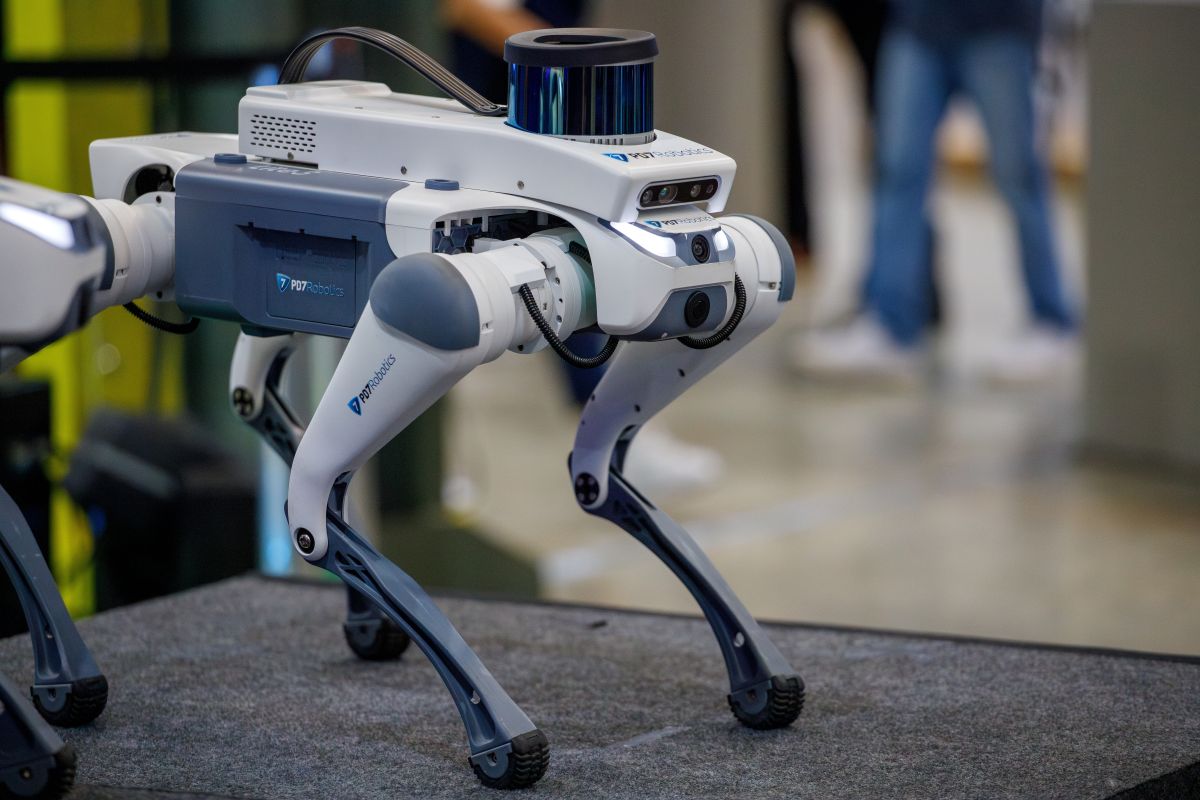
Another type of unmanned ground vehicle is the UGV (Unmanned Ground Vehicle), a robotic vehicle capable of operating autonomously or remotely on the ground. UGVs are widely used in military operations, search and rescue missions, explosive ordnance disposal, transportation, and various civilian applications. Hydrogen fuel is also essential for effective operation, and several manufacturers from countries including Poland, France, and South Korea have already released such products.
Since AGVs are transitioning to hydrogen energy, AMRs are naturally following suit. For example, Guidance Automation in the UK completed testing of its iNcaart series of AMRs equipped with hydrogen fuel cells manufactured by Intelligent Energy in December 2023. Previously, iNcaart AMRs were powered by lithium batteries. Following the successful hydrogen fuel cell tests, iNcaart will offer hydrogen fuel cell or hydrogen-lithium hybrid options in addition to its existing lithium battery-powered models.
Kubota of Japan unveiled the world's first hydrogen fuel cell agricultural machine with autonomous driving capabilities, a concept model of an unmanned tractor, at the 2025 Kansai Expo in Osaka, marking a revolutionary milestone in the company's 100-year history. Without a driver's seat, AI-powered cameras automatically scan the surrounding environment and navigate the machine, enabling farmers to cultivate land remotely from home. While automatic straight-line driving using GPS is already common, the integration of LiDAR, cameras, and AI vision technology allows the tractor to avoid obstacles and distinguish between crops and weeds. A fully fueled hydrogen vehicle can operate for approximately half a day. Rural aging and labor shortages are global challenges, and in response to the global warming crisis, hydrogen-powered AMRs offer solutions to these issues simultaneously. Moreover, agricultural machinery requires long-term, high-load operation and urgently needs a stable energy supply with high output power, making a direct transition from fossil fuels to hydrogen energy feasible, bypassing lithium batteries. Although AMRs are commonly used indoors, their application in agriculture is particularly significant.
Another type of unmanned ground vehicle is the UGV (Unmanned Ground Vehicle), a robotic vehicle capable of operating autonomously or remotely on the ground. UGVs are widely used in military operations, search and rescue missions, explosive ordnance disposal, transportation, and various civilian applications. Hydrogen fuel is also essential for effective operation, and several manufacturers from countries including Poland, France, and South Korea have already released such products.
Reference
1. Oxygen Service Company, How Hydrogen Gas-Powered Robotics Can Transform Your Warehouse Operations
2. FleetNews, 2025-12-04, Tom Seymour, BMW deploys 130-strong fleet of hydrogen automated guided vehicles
3. 日経クロステック, 2025-12-08, 内田 泰, 搭乗型4脚ロボ、川崎重工が事業化へ 40年に3000億円規模目指す
4. AZOcleantech, 2025-05-22, Samudrapom Dam, Hydrogen Horses: Is this the Future of Clean Mobility?