
Featured Articles
2025-12-24
Hydrogen Energy Has Become an Essential Driving Force behind the Advancement of Mobile Robots
Hydrogen Energy Has Become an Essential Driving Force behind the Advancement of Mobile Robots

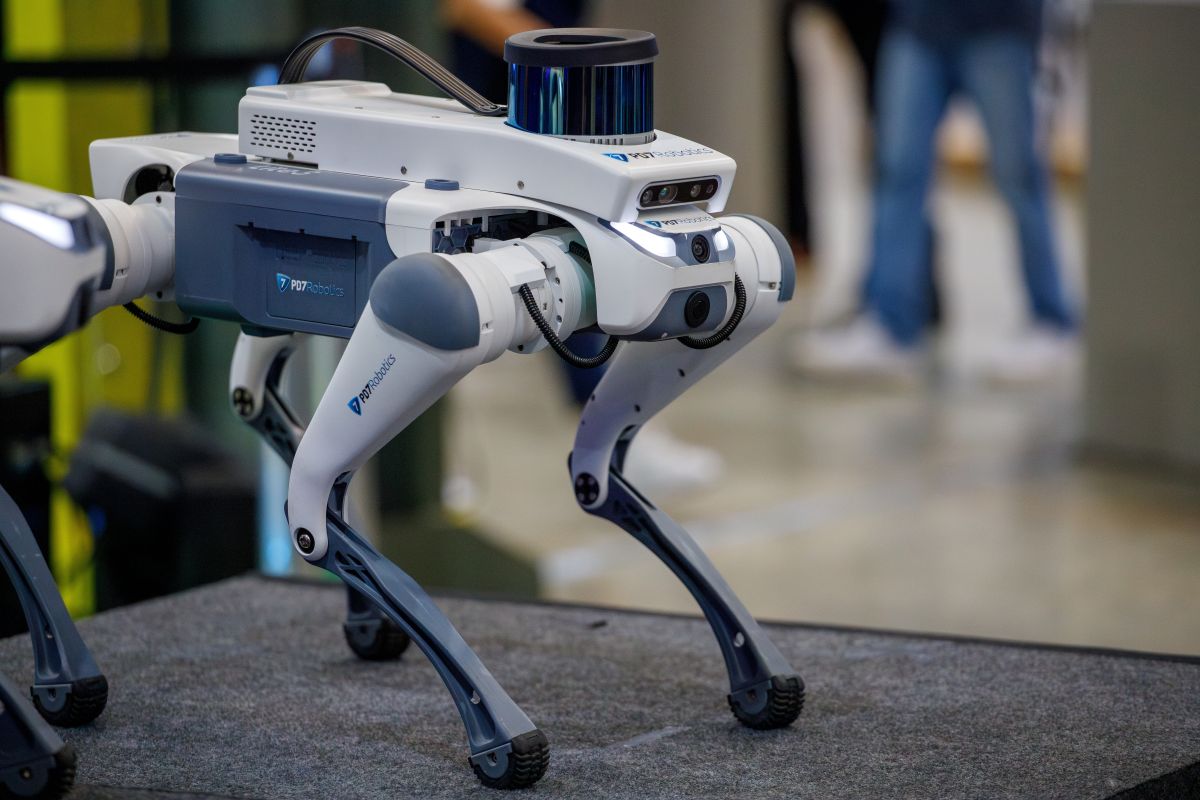
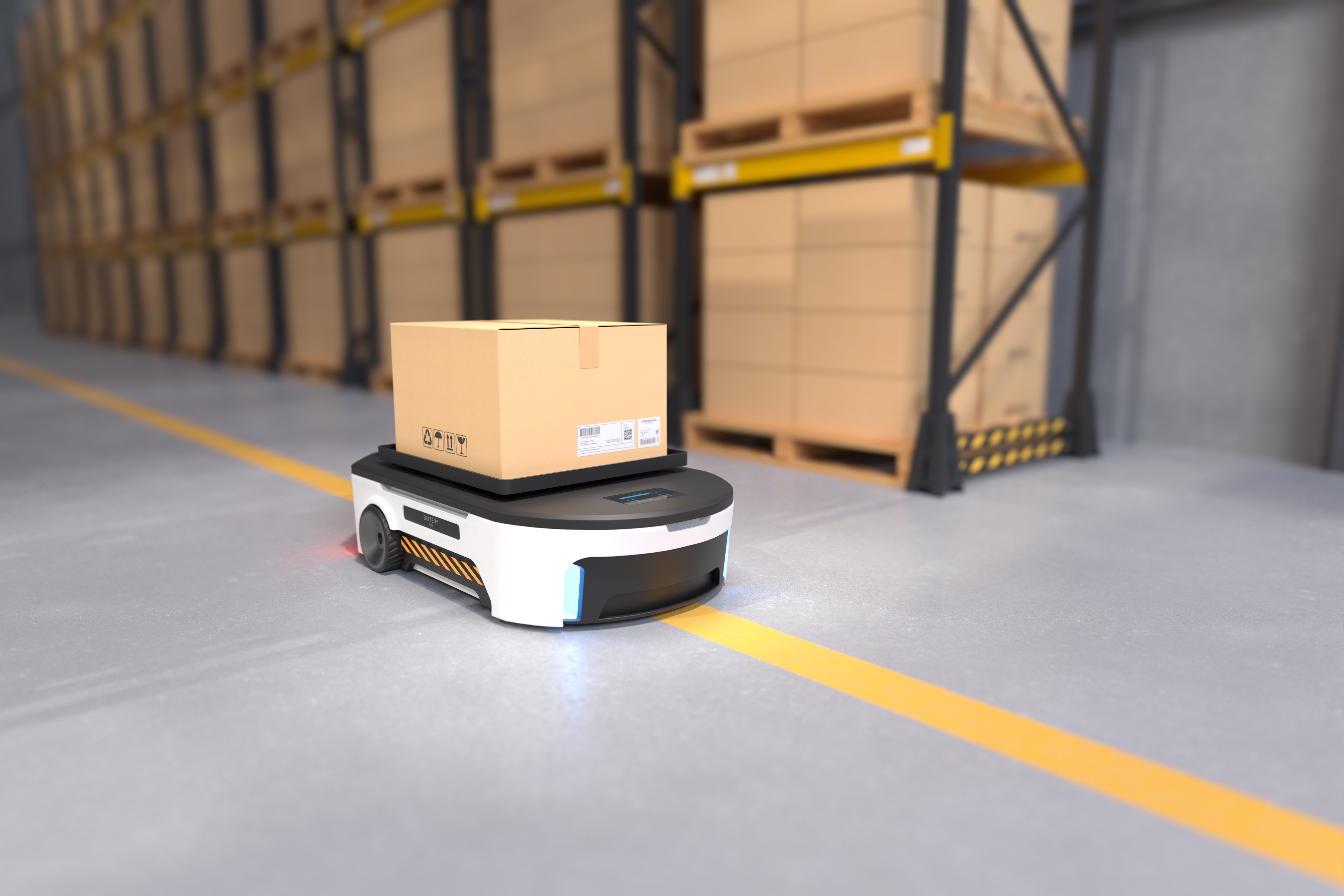
In recent years, if drones are considered the most prominent example of commercial mobile vehicles in the air, then ground mobile vehicles are undoubtedly represented by robots. The application fields of ground mobile robots largely overlap with those of drones, including logistics, transportation, healthcare, and agriculture—all aimed at improving efficiency, reducing costs, enhancing safety, and increasing mobility. Given the similarity in their application areas and objectives, it is natural to consider whether mobile robots should also adopt hydrogen power, as drones increasingly trend toward hydrogen energy. Endurance is the most critical performance aspect for drones, and mobile robots are no exception. The new generation of mobile robots, benefiting from advances in mechanisms, modular components, and sensor capabilities, has made significant progress in physical structure, sensory abilities, motion planning, and operational control solutions. However, to fully leverage these capabilities and extend their use to harsh environments, a high-performance energy system is essential. Although current lithium battery systems are mature, their inherent physical limitations, similar to those faced by drones, cannot meet the demands of mobile robots. Industry-wide validation has demonstrated that hydrogen power is the most suitable energy source for mobile robots. This suggests that, whether airborne or ground-based, mobile vehicles are inevitably moving toward hydrogen energy. Even today, automated agricultural robots that originally used gasoline engines have begun adopting hydrogen power for the environment. In other words, existing robots are increasingly moving away from traditional energy sources in favor of hydrogen. The adoption of hydrogen fuel, a high-density energy storage solution with an innovative design, to optimize the energy-to-weight ratio of robotic systems has become an industry consensus.
Using Lithium Batteries May Create a Bottleneck in the Development of Mobile Robots
Industrial robots originated in the United States in the mid-20th century. Early models were large and cumbersome, primarily used in the automotive industry with limited functionality. They required significant human supervision and were mainly used for repetitive, simple tasks. However, over the past few decades, the industrial robot ecosystem has undergone dramatic transformations, expanding beyond fixed installations to include mobile formats and extending its use outdoors. With the integration of artificial intelligence and machine learning technologies, these machines can now perform more precise and flexible actions. Consequently, the range of applications for robots has expanded beyond traditional manufacturing to encompass logistics, healthcare, rescue operations, and even defense. The primary challenge driving the continued advancement of robots is their ability to adapt to ever-changing environments while executing complex tasks and coordinating seamlessly with humans. As robots become increasingly sophisticated, they require more efficient power supplies to meet the energy needs of various components, resulting in increased energy consumption. Reliance on traditional power sources, such as heavy batteries or grid electricity, may no longer be sufficient, posing significant concerns for sustainable development. The limited endurance of mainstream lithium batteries necessitates frequent recharging, resulting in prolonged downtime and reduced productivity. In particular, for off-road applications, the relatively low energy density of lithium batteries can impede the robot’s ability to perform complex tasks smoothly and reliably over extended periods in rugged or remote environments, thereby limiting the robot’s originally designed capabilities. Additionally, battery weight is directly correlated with energy storage capacity, significantly impacting overall robot performance. Excessively heavy batteries compromise mobility and agility. Longer charging times not only reduce operational efficiency but also increase the challenges of heat management. High-rate discharges and extended operation generate substantial heat, which adversely affects battery performance and lifespan. For outdoor mobile robots, lithium battery performance may rapidly deteriorate under extreme temperatures. Therefore, from multiple perspectives, the continued reliance on lithium batteries for mobile robots presents significant developmental bottlenecks.
Using Lithium Batteries May Create a Bottleneck in the Development of Mobile Robots
Industrial robots originated in the United States in the mid-20th century. Early models were large and cumbersome, primarily used in the automotive industry with limited functionality. They required significant human supervision and were mainly used for repetitive, simple tasks. However, over the past few decades, the industrial robot ecosystem has undergone dramatic transformations, expanding beyond fixed installations to include mobile formats and extending its use outdoors. With the integration of artificial intelligence and machine learning technologies, these machines can now perform more precise and flexible actions. Consequently, the range of applications for robots has expanded beyond traditional manufacturing to encompass logistics, healthcare, rescue operations, and even defense. The primary challenge driving the continued advancement of robots is their ability to adapt to ever-changing environments while executing complex tasks and coordinating seamlessly with humans. As robots become increasingly sophisticated, they require more efficient power supplies to meet the energy needs of various components, resulting in increased energy consumption. Reliance on traditional power sources, such as heavy batteries or grid electricity, may no longer be sufficient, posing significant concerns for sustainable development. The limited endurance of mainstream lithium batteries necessitates frequent recharging, resulting in prolonged downtime and reduced productivity. In particular, for off-road applications, the relatively low energy density of lithium batteries can impede the robot’s ability to perform complex tasks smoothly and reliably over extended periods in rugged or remote environments, thereby limiting the robot’s originally designed capabilities. Additionally, battery weight is directly correlated with energy storage capacity, significantly impacting overall robot performance. Excessively heavy batteries compromise mobility and agility. Longer charging times not only reduce operational efficiency but also increase the challenges of heat management. High-rate discharges and extended operation generate substantial heat, which adversely affects battery performance and lifespan. For outdoor mobile robots, lithium battery performance may rapidly deteriorate under extreme temperatures. Therefore, from multiple perspectives, the continued reliance on lithium batteries for mobile robots presents significant developmental bottlenecks.
Reference
1. Oxygen Service Company, How Hydrogen Gas-Powered Robotics Can Transform Your Warehouse Operations
2. Fleet News, 2025-12-04, Tom Seymour, BMW deploys 130-strong fleet of hydrogen automated guided vehicles
3. 日経クロステック, 2025-12-08, 内田 泰, 搭乗型4脚ロボ、川崎重工が事業化へ 40年に3000億円規模目指す
4. AZO cleantech, 2025-05-22, Samudrapom Dam, Hydrogen Horses: Is this the Future of Clean Mobility?