
Featured Articles
2026-01-16
Quadrupedal and Humanoid Robots Require Hydrogen Energy to Execute Complex Movements
Quadrupedal and Humanoid Robots Require Hydrogen Energy to Execute Complex Movements
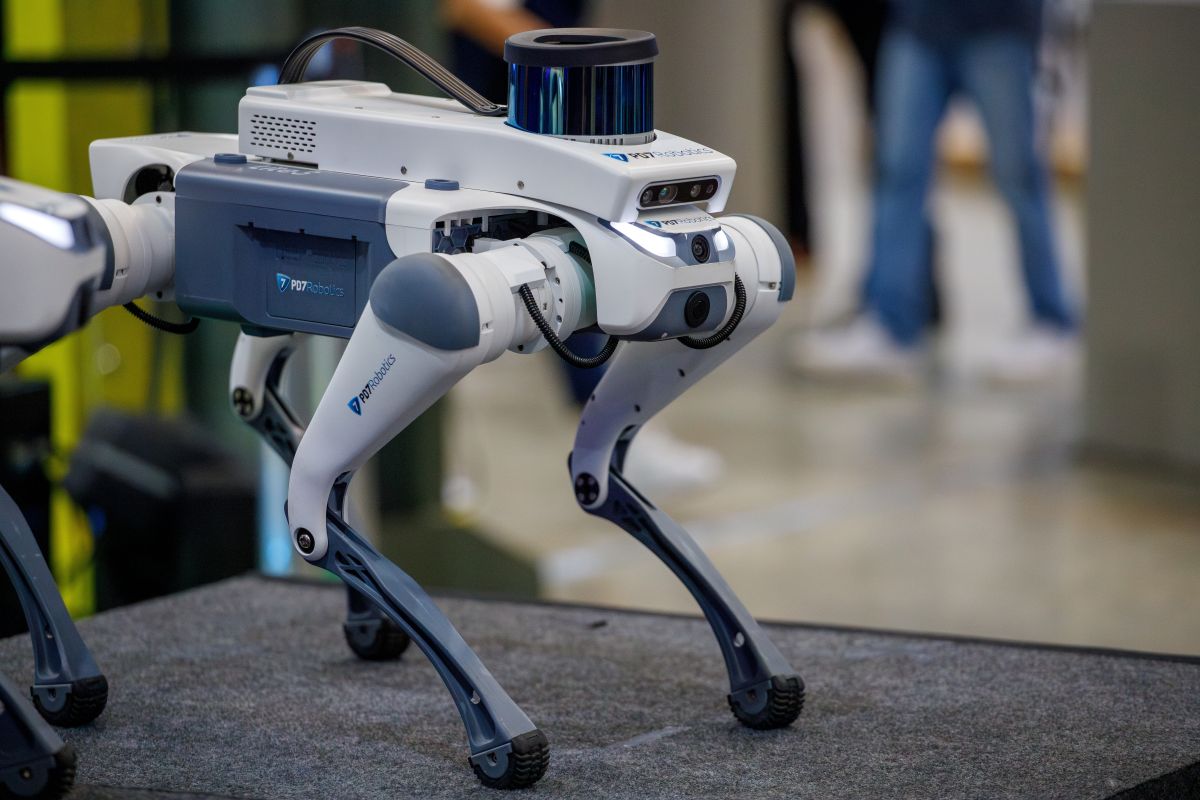
The most anticipated development in the robotics and hydrogen energy industries in 2025 is undoubtedly CORLEO, a conceptual quadruped robot unveiled by Kawasaki Heavy Industries at the Osaka Expo in April 2025. This concept carries several significant implications. First, based on the principle of safe adventure, it enables humans to run, climb, and jump across rugged terrain with the agility of wild animals. Unlike animal-shaped robots from companies like Boston Dynamics, CORLEO is designed to carry passengers. By utilizing AI and mechanical legs, it offers stability, adaptability, and a unique human-robot interaction, redefining the future of personal mobility. Second, it incorporates a hydrogen fuel cell system, marking a significant milestone for hydrogen energy in mobile robotics. Third, this product is not merely a concept robot but is intended for mass production.
There are precedents for humanoid robots powered by hydrogen fuel. In 2023, Toyota Workshop, a voluntary organization comprising 28,000 employees, developed PIXI—the world's first hydrogen-powered autonomous soccer robot capable of scoring consecutive penalty kicks on a target field, with the ball reaching speeds of up to 85 km/h. The team leveraged automotive technology resources for the robot's development, including the application of sensors from driver-assistance systems to help the robot identify targets, and the use of surplus airbag material for the robot's cape and cloak.
However, the hydrogen-fueled soccer robot PIXI remains a laboratory prototype with no plans for mass production. Meanwhile, Kawasaki Heavy Industries' CORLEO has established a dedicated development team to initiate commercial development, aiming to serve as a mobile platform for the Riyadh Expo in Saudi Arabia in 2030 and 2035. Sales to the leisure and tourism industries are scheduled to begin in 2035, with CORLEO and its derivatives projected to achieve at least 300 billion yen in sales by 2040.
CORLEO employs a motorcycle-like rocker arm mechanism, with its rear legs absorbing impacts through independent vertical movement to maintain mobility and stability. It is controlled by shifting the center of gravity, similar to riding a horse. This support system enables easy and safe navigation over complex terrains such as mountains and puddles, where tires struggle to perform, and it effectively overcomes bumpy roads. To execute these complex movements and travel long distances with ease, hydrogen fuel is essential. A 150cc engine powered by a hydrogen fuel cell generates electricity for the drive system of each leg, with hydrogen supplied from a rear-mounted storage tank. CORLEO’s commercialization of hydrogen energy highlights the inevitability of hydrogen-powered quadruped robots and even humanoid robots in the industry.
Hydrogen Energy Is Poised to Enter the Emerging Unmanned Vehicle Sector, Accelerating the Industry's Development
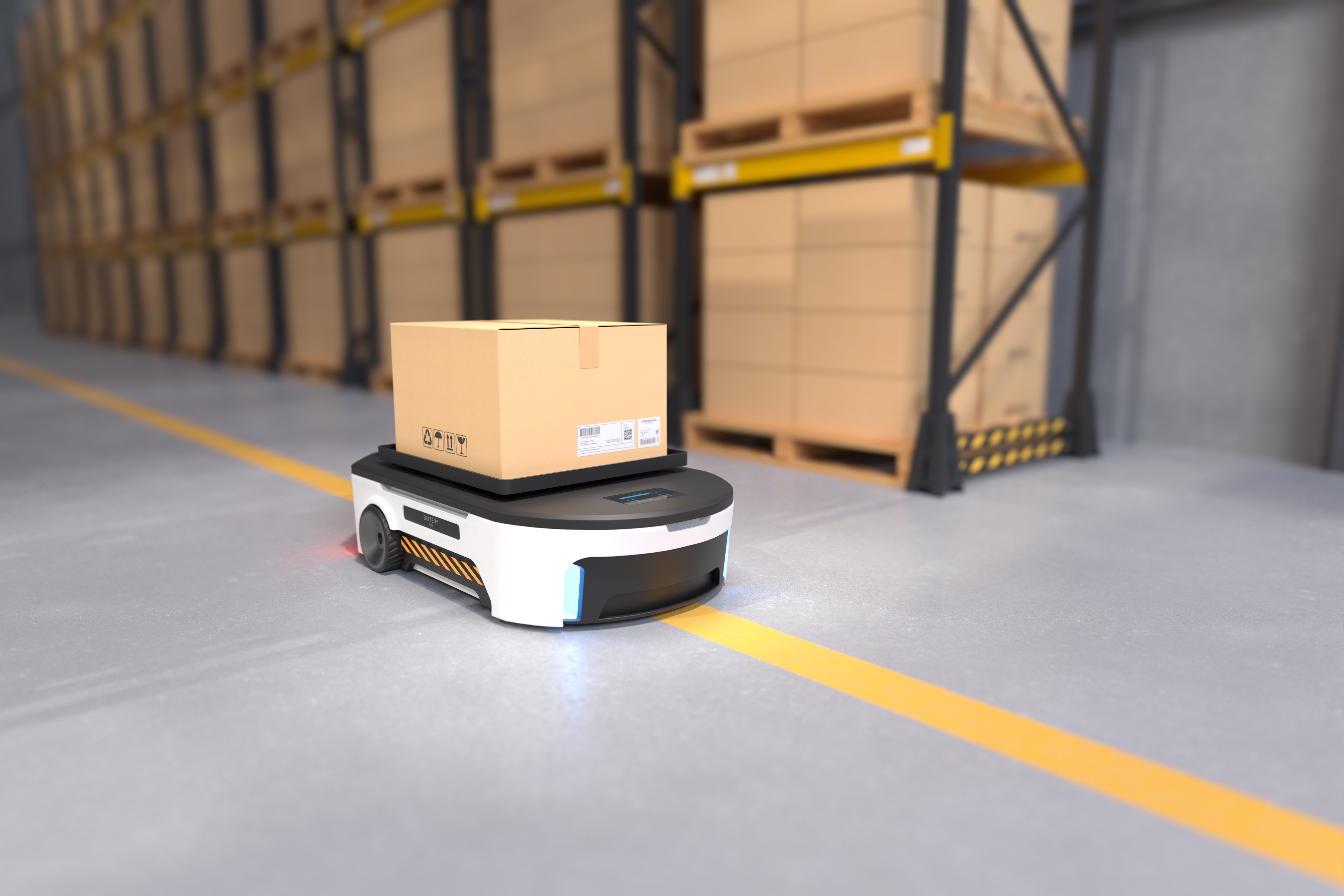
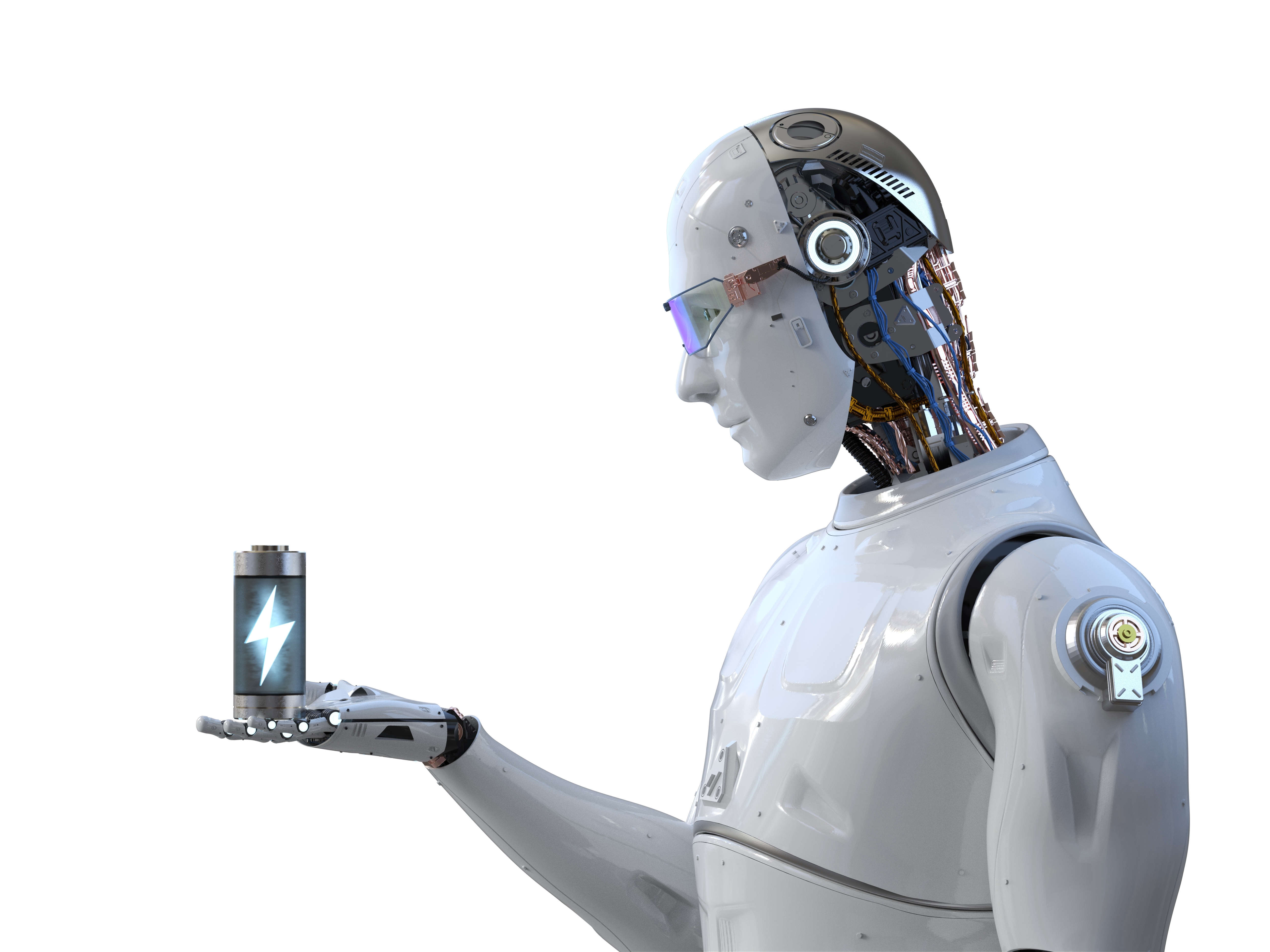
Mobile robots represent a highly specialized field that integrates various technologies, exhibiting interdisciplinary characteristics, long supply chains, and extended development cycles. Their advancement requires the coordinated development of algorithms, data, computing power, and hardware. Consequently, sufficient energy capacity is essential to support their continuous operational demands and to accommodate increasing power requirements throughout their evolution. If endurance and energy supply fail to meet these demands, this technical bottleneck will inevitably impede their progress. Due to its lightweight nature, high energy density, and rapid refueling capability, hydrogen energy can fully satisfy the operational needs of time-sensitive and mobile robots. In summary, hydrogen fuel is uniquely capable of providing the efficient power system necessary for mobile robots to operate effectively across diverse environments.
The industry is increasingly adopting hydrogen fuel for various types of mobile robots. Although still in its early stages, this technology has made significant progress and gained considerable recognition. From a scientific and technological standpoint, hydrogen fuel has been proven to be one of the most suitable energy sources for mobile robots. Historically, discussions about hydrogen energy applications primarily focused on replacing fossil fuels in traditional transportation modes such as cars, trains, ships, and airplanes, rather than exploring its potential for new vehicle types. Today, integrating hydrogen energy into clean technology platforms for emerging vehicles such as drones and robots extends beyond conventional hydrogen applications. This approach enables distributed energy solutions and opens the door to innovative project types and business models. Various sensors play a crucial role in this ecosystem by measuring vehicle tilt, position, and terrain angles.
When combined with intelligent controllers and torque sensors, these systems adjust gaits to maintain smoothness and balance. Additionally, hydrogen sensors are essential not only for detecting leaks but also for monitoring hydrogen concentration to optimize efficiency. Mobile robots exemplify the integration of robotic engineering, human-machine interfaces, and clean energy propulsion, encouraging the industry to actively explore the potential of hydrogen-powered solutions and accelerating the development of hydrogen energy-related technologies and applications.
Reference
1. Oxygen Service Company, How Hydrogen Gas-Powered Robotics Can Transform Your Warehouse Operations
2. FleetNews, 2025-12-04, Tom Seymour, BMW deploys 130-strong fleet of hydrogen automated guided vehicles
3. 日経クロステック, 2025-12-08, 内田 泰, 搭乗型4脚ロボ、川崎重工が事業化へ 40年に3000億円規模目指す
4. AZOcleantech, 2025-05-22, Samudrapom Dam, Hydrogen Horses: Is this the Future of Clean Mobility?
1. Oxygen Service Company, How Hydrogen Gas-Powered Robotics Can Transform Your Warehouse Operations
2. FleetNews, 2025-12-04, Tom Seymour, BMW deploys 130-strong fleet of hydrogen automated guided vehicles
3. 日経クロステック, 2025-12-08, 内田 泰, 搭乗型4脚ロボ、川崎重工が事業化へ 40年に3000億円規模目指す
4. AZOcleantech, 2025-05-22, Samudrapom Dam, Hydrogen Horses: Is this the Future of Clean Mobility?