

Featured Articles
2025-12-05
Using Hydrogen Energy Significantly Reduces Sowing and Pesticide Application Costs, thereby Increasing Farmers' Willingness to Use Drones
Using Hydrogen Energy Significantly Reduces Sowing and Pesticide Application Costs, thereby Increasing Farmers' Willingness to Use Drones
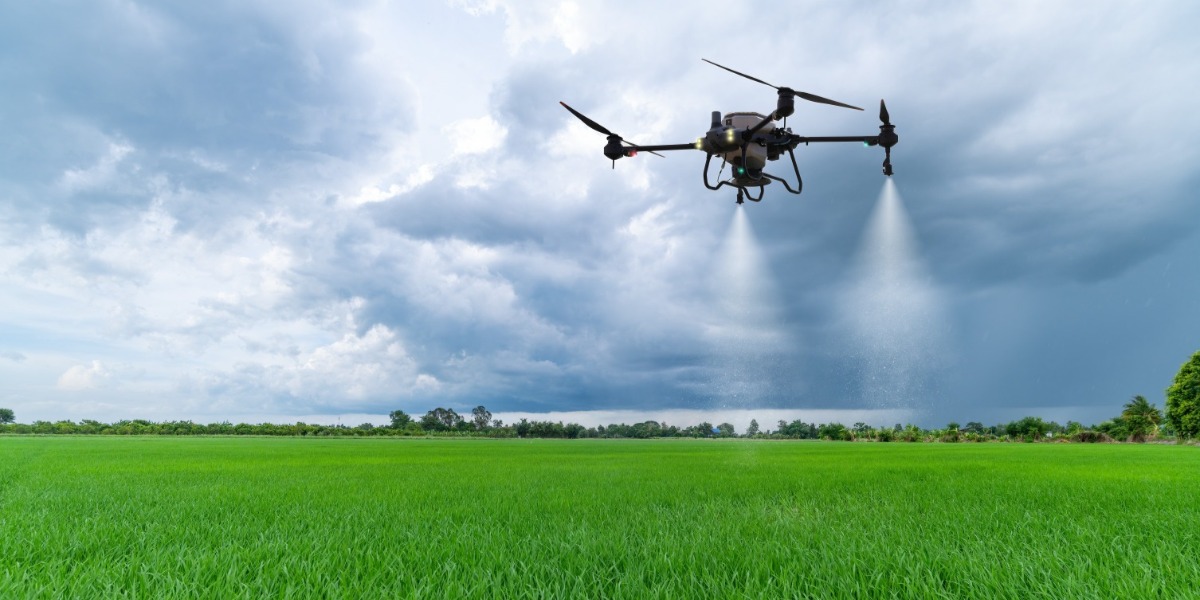
The use of drones in agriculture serves multiple purposes, including measuring soil nutrient levels, crop reconnaissance, spraying, fertilizing, and sowing, each providing various benefits. For example, employing drones for pesticide and fertilizer application can reduce consumption, improve accuracy, and optimize resource use. By adopting hydrogen energy to replace traditional lithium batteries, drones gain increased payload capacity and extended endurance. Eliminating the need to frequently change lithium batteries significantly reduces drone operating costs, thereby encouraging greater adoption among farmers. In addition to boosting crop yields, this technology also protects farmers' health by minimizing direct contact with pesticides.
Taking the Indian agricultural technology startup Visron as an example, during the early stages of the business, they used drones powered by lithium batteries but faced high operational costs and short flight times, resulting in significant financial pressure and operational challenges. Later, they switched to hydrogen fuel cells as the power source and made the drones lightweight, ultimately developing models suitable for agricultural applications that cost only $0.242 per kilowatt—far below the $715 per kilowatt required for lithium batteries. According to the company's estimates, the lifecycle of hydrogen fuel cells is close to 22,000 hours, while lithium batteries last only about 300 hours. Additionally, green hydrogen costs $2.75 per kilogram and provides sufficient energy, so the lightweight drones require only 7 kilograms of hydrogen per hour of flight. Due to these factors, hydrogen-powered drones have a clear advantage in operational costs compared to lithium batteries. The company tested spraying pesticides and seeds at 5,000 pilot sites in Rajasthan, charging $1.10 per acre, while competitors charge around $8.80 per acre. In remote and rural areas of developing countries, where access to electricity is limited, the convenience of lithium batteries is further diminished. Moreover, given the limited incomes of farmers, using hydrogen energy to achieve cost-effective drone operations has become a necessary measure—arguably even more so than in developed countries.
Taking the Indian agricultural technology startup Visron as an example, during the early stages of the business, they used drones powered by lithium batteries but faced high operational costs and short flight times, resulting in significant financial pressure and operational challenges. Later, they switched to hydrogen fuel cells as the power source and made the drones lightweight, ultimately developing models suitable for agricultural applications that cost only $0.242 per kilowatt—far below the $715 per kilowatt required for lithium batteries. According to the company's estimates, the lifecycle of hydrogen fuel cells is close to 22,000 hours, while lithium batteries last only about 300 hours. Additionally, green hydrogen costs $2.75 per kilogram and provides sufficient energy, so the lightweight drones require only 7 kilograms of hydrogen per hour of flight. Due to these factors, hydrogen-powered drones have a clear advantage in operational costs compared to lithium batteries. The company tested spraying pesticides and seeds at 5,000 pilot sites in Rajasthan, charging $1.10 per acre, while competitors charge around $8.80 per acre. In remote and rural areas of developing countries, where access to electricity is limited, the convenience of lithium batteries is further diminished. Moreover, given the limited incomes of farmers, using hydrogen energy to achieve cost-effective drone operations has become a necessary measure—arguably even more so than in developed countries.
A Comprehensive Set of Support Measures is Essential to Implement Hydrogen-powered Drones Effectively
In addition to the three primary applications mentioned above, hydrogen-powered drones can conduct extensive geographical and forestry surveys, collecting large volumes of data. They can also inspect offshore energy facilities, power line transmissions, and highway infrastructure. The longer a drone can remain airborne and the farther it can fly on a single mission, the faster progress can be achieved, enabling tasks to be completed sooner. The commercial use of drones is expanding rapidly and is having a disruptive impact across numerous industries. The integration of hydrogen energy further amplifies these benefits. However, transitioning drones to hydrogen power is not an overnight process. Transforming the entire ecosystem requires multiple factors to align, including the development of lighter and thinner fuel cell systems and hydrogen storage tanks, ensuring easy access to hydrogen energy, training personnel to operate new systems proficiently, and improving regulatory frameworks, all of which demand significant effort.
Reference
1. The University of Sydney, News Release, 2024-04-22, Medical drone project receives $3.6 million to close health gap in rural and remote Australia
2. Drone Life, Miriam McNabb, 2019-11-05, Doosan Fuel Cell Drone Makes 43 Mile Medical Delivery
3. Ballard, 2019-10, Impact of Hydrogen Drones for Package Delivery
4. Drone Life, Miriam McNabb, 2025-04-04, Breaking the Limits: How Solid-State Hydrogen is Powering the Next Generation of UAVs